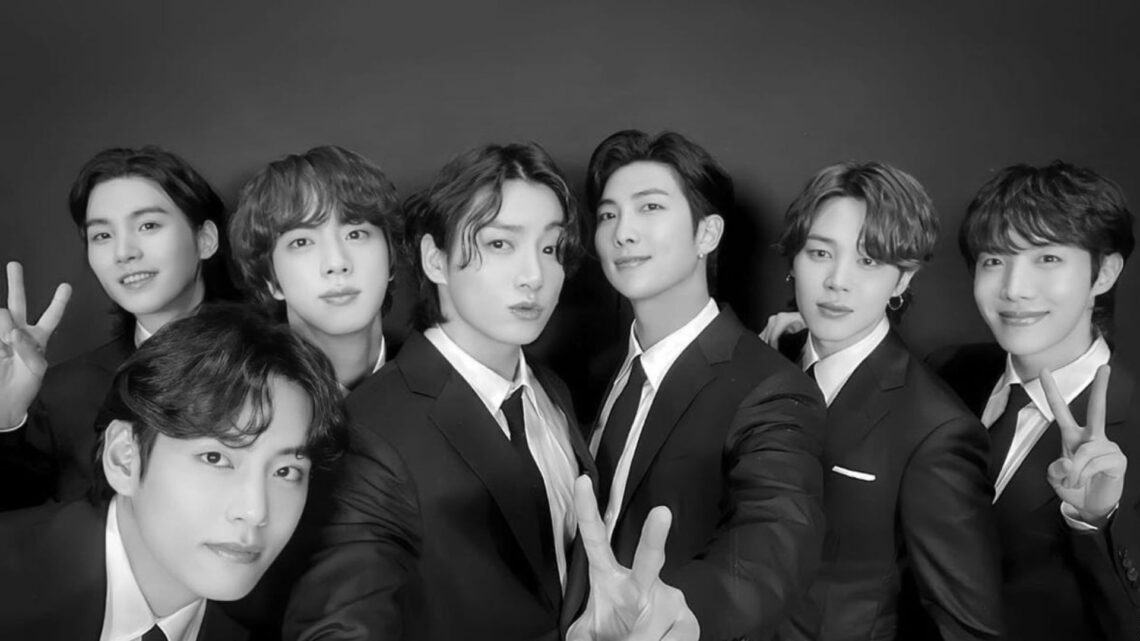
How BTS Helped Me Overcome My Fear of Failure
I spent years not trying things because I might fail at them. Not applying to jobs I wanted. Not starting creative projects. Not having difficult conversations. The fear of failure controlled more of my life than I wanted to admit.
Then I fell into the BTS rabbit hole and realized their entire existence contradicted everything my fear told me about failure.
This isn’t a story about how BTS magically fixed my anxiety. It’s about how watching their journey gave me a different framework for thinking about failure – one that actually helped.
The Failure That Started Everything
Big Hit Entertainment was struggling financially when they decided to create BTS. The company had failed to produce successful acts previously. This group was essentially their last shot.
BTS themselves came from a failed project – they were originally planned as a hip-hop group that never materialized. What debuted was a reconceived version with different members and concept.
The reframe: Failure isn’t the end of the story. It’s often the beginning of the actual story.
Their debut wasn’t initially successful. First albums sold modestly. Early music shows had tiny audiences. By conventional metrics, they were failing at becoming K-pop stars.
What I learned: Success and failure aren’t binary. You can be “failing” by external standards while building the foundation for eventual success.
Redefining What Failure Means
My fear of failure assumed failure meant: embarrassment, wasted effort, proof of inadequacy, permanent damage to reputation, confirming I wasn’t good enough.
BTS’s approach showed failure actually means: information about what to adjust, practice that builds skills, evidence you’re pushing boundaries, necessary step in growth process, data for better decisions.
The mindset shift: Failure isn’t a verdict on your worth. It’s feedback on your current approach.
When early concepts didn’t connect, they adjusted. When performances needed work, they practiced more. When reception was lukewarm, they refined their message.
Not one of those moments defined them as failures. Each was just information for iteration.
How this helped me: I started treating failure as a neutral outcome rather than catastrophic event. When something didn’t work, instead of spiraling into “I’m a failure,” I asked “What’s the feedback here?”
That single shift reduced the emotional weight of failure by about 70%.
The Power of Failing in Public
BTS documented everything – predebut practice, early struggles, mistakes on stage, vocal cracks, dance errors. They didn’t hide the messy middle.
What shocked me: People loved them more for the transparency, not less.
The fear of failure is often fear of judgment. We think: “If people see me fail, they’ll think less of me.”
BTS proved: People actually connect more with visible growth than polished perfection. The journey from struggling to succeeding is more compelling than appearing successful with no backstory.
My experiment: I started sharing my attempts at things before I was good at them. Writing before it was polished. Projects before they were finished. Attempts before mastery.
The response? People offered help, encouragement, and their own struggle stories. The judgment I feared barely materialized.
The lesson: Your fear of public failure is usually more about your self-judgment than others’ actual responses.
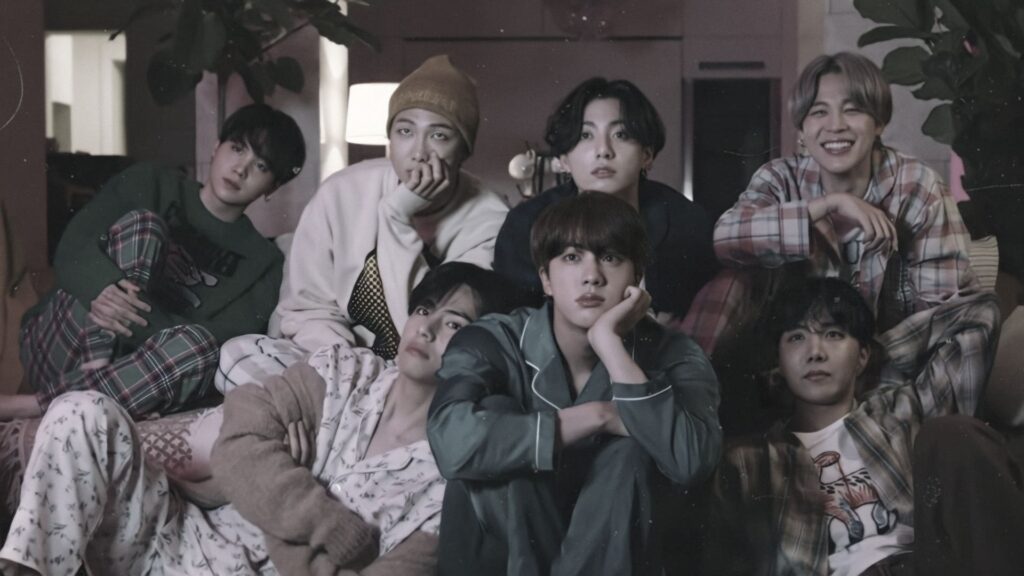
Different Members, Different Relationships with Failure
What helped most was seeing seven people with completely different personalities all navigate failure differently:
RM: Failed his first attempt at leading the group well. Grew into leadership through trial and error, openly discussing mistakes.
Jin: Joined with zero musical training, failed constantly in early practice, and chose to see each failure as a baseline for improvement.
Suga: Basketball injury ended his athletic dreams. Reframed that “failure” as a redirect toward music production that became his calling.
J-Hope: Wasn’t selected for the dance team he wanted as a kid. Used that rejection to fuel becoming one of K-pop’s best dancers.
Jimin: Constantly worried about failing the group, used that anxiety as motivation while learning to manage self-criticism.
V: Made on-stage mistakes that went viral. Laughed them off or acknowledged them honestly rather than catastrophizing.
Jungkook: Youngest member, had to fail publicly while growing up in the spotlight. Developed resilience through repeated imperfect attempts.
The pattern: Each dealt with failure differently, but none let fear of failure stop them from trying.
For me: This meant there’s no one “right” way to handle failure. You don’t have to be fearless like V or driven like Jimin. You just have to keep going in your own way.
The Specific Fears They Addressed
Fear: “I’m not talented enough.”
BTS response: Jin had no training. Jimin nearly didn’t make the final lineup. V was a hidden member initially. None of them were considered the “most talented” in their categories when they started.
Their success came from work ethic and persistence more than natural talent.
Application: Stop waiting until you’re “good enough.” Start where you are and build competence through doing.
Fear: “People will judge me.”
BTS response: They faced massive judgment – for their concepts, their company, their looks, their music style. Critics said they’d never succeed.
They succeeded by staying focused on their message rather than critics’ opinions.
Application: Judgment will happen regardless. Might as well face it while pursuing what matters rather than avoiding it through inaction.
Fear: “I’ll waste time and effort”
BTS response: Years of uncertain success. Moments questioning if the sacrifice was worth it. But even their “struggling” years built skills, audience, and foundation.
No effort was actually wasted. It all contributed.
Application: The only true waste is not trying. Even “failed” attempts build capability and clarify direction.
Fear: “Failure will define me forever.”
BTS response: Early failures and struggles are now part of their inspiring story. The failures didn’t define them – how they responded to failure did.
Application: You’re not your worst moment or biggest failure. You’re how you move forward from those moments.
The Practical Framework They Gave Me
Through watching their journey and listening to their discussions, I developed a framework for attempting things despite fear:
Step 1: Name the specific fear, not “I’m afraid of failure.” But “I’m afraid of looking stupid,” or “I’m afraid of wasting time,” or “I’m afraid of confirming I’m not good enough.”
Specific fears have specific counterarguments. Vague fear stays overwhelming.
Step 2: Test the fear against reality. If I fail at this, will it actually cause the catastrophic outcome I imagine? Or is my brain exaggerating the consequences?
Usually, the imagined disaster is wildly disproportionate to likely reality.
Step 3: Find one small step. Full projects feel overwhelming. What’s one small action I can take? Just start that piece, without committing to the whole.
BTS didn’t start with “conquer the world.” They started with “make one song and perform it well.”
Step 4: Expect failure as part of the process. Not “if I fail” but “when I encounter setbacks, here’s how I’ll respond.”
Removing the surprise of failure reduces its power.
Step 5: Document the attemp.t Write down what I tried, what happened, and what I learned. This creates evidence that failure isn’t fatal – it’s just part of the process.
Step 6: Adjust and attempt again. Use the feedback to refine the next attempt. The goal isn’t perfection, it’s incremental improvement.
The Turning Point
My real breakthrough came from one specific realization: BTS members discuss being afraid frequently. They talk about anxiety, self-doubt, and fear of not being good enough.
The difference: They do things while afraid rather than waiting for fear to disappear.
That changed everything for me. I’d been waiting to feel confident before trying things. Watching them, I realized: confidence comes from doing things while afraid, not before.
New approach: Feel the fear, acknowledge it, then do the thing anyway. Not big things. Small things. But consistently.
Started with tiny stakes: posting something online, joining a group, trying a new skill. Each time I survived the attempt, the next fear had slightly less power.
What Actually Changed
After integrating these lessons:
Before: Spent months researching before starting anything, often never starting because research revealed how much I didn’t know.
After: Start with minimum viable knowledge, learn by doing, and accept initial incompetence as normal.
Before: Avoided situations where I might look foolish or incompetent.
After: Seek beginner experiences intentionally. Being new at things is how you grow.
Before: Quit when things got difficult or feedback was critical.
After: Expect difficulty and criticism as signs I’m pushing boundaries, not signs I should stop.
Before: Perfectionism paralyzed attempts. If I couldn’t do it excellently, why do it at all?
After: Done imperfectly beats perfect never-started. Version 1.0 is always rough. That’s fine.
Before: Tied my self-worth to outcomes. Failure meant I was a failure.
After: Separate self-worth from results. I’m worthy regardless of outcomes. Results are just information.
The Ongoing Practice
I still feel fear of failure. That didn’t disappear. But my relationship with it changed:
Old pattern: Fear → Avoidance → Regret New pattern: Fear → Acknowledgment → Attempt anyway → Learning
The fear still shows up. I just don’t let it make the decision.
Current practice:
- Keep a “failure log” of attempts that didn’t work and what I learned
- Celebrate tries, not just successes
- Share struggles while they’re happening, not just victories after
- Remind myself that BTS failed constantly and still succeeded
- Ask “What’s the experiment here?” instead of “What if I fail?”
For Those Still Stuck
If you’re reading this thinking, “That’s nice but I still can’t do it,” I get it. Here’s what actually helped me start:
Make the stakes tiny: Don’t start with your biggest fear. Start with something that matters so little that failure is genuinely not catastrophic.
Post an opinion online. Try a new recipe. Speak up in a low-stakes meeting. Send a casual message to someone. Submit something knowing it’s imperfect.
Build the “doing things while afraid” muscle with tiny weights first.
Borrow confidence: When I can’t find my own courage, I imagine: What would J-Hope do? How would RM reframe this? What would Jin’s approach be?
Using their attitudes as temporary scaffolding helps until I develop my own.
Change the question: Instead of “What if I fail?” ask “What if this works?” or better yet, “What will I learn from trying?”
The question you ask determines the answer you get.
Shrink the timeline: Don’t think about failure defining your whole life. Think about: I’m going to try this for one month and see what happens. One month of failure won’t ruin anything.
The Truth About Fear of Failure
It never completely goes away. BTS members still discuss being nervous, doubting themselves, worrying about disappointment.
The difference: They’ve built evidence that they can handle failure. Each time they’ve failed and survived, the next failure feels slightly less threatening.
You’re building that same evidence. Every attempt that doesn’t destroy you proves you’re more resilient than your fear suggests.
The real enemy isn’t failure. It’s the life you don’t live because you’re too afraid to try.
BTS showed me that the people we admire haven’t eliminated fear of failure. They’ve just decided their goals matter more than their fear.
I’m still learning that. But thanks to seven guys who documented their journey from nobodies to worldwide phenomena despite constant failure, I’m actually trying now.
That’s the difference.




One Comment
Pingback: